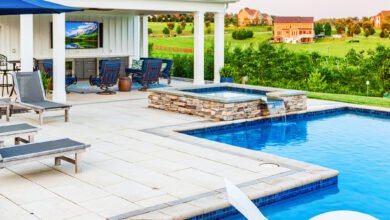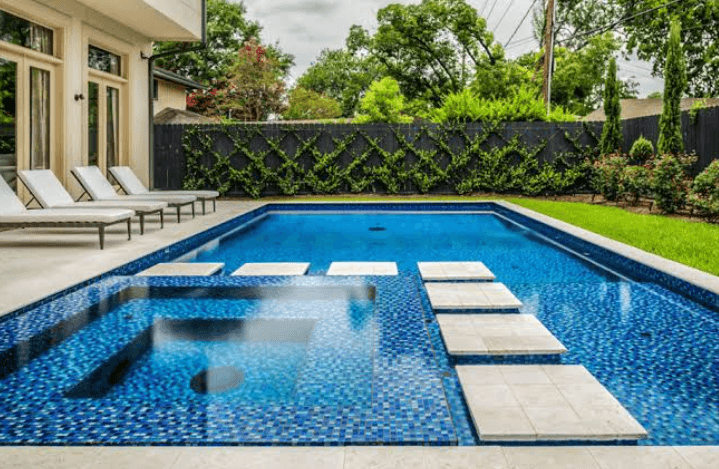
A backyard swimming pool is often seen as the ultimate symbol of leisure, turning an ordinary property into a private sanctuary.
However, when homeowners decide to elevate their outdoor spaces with premium, high-end pools featuring custom stonework, infinity edges, and integrated water features, the financial commitment extends far beyond the initial excavation.
Maintaining these architectural marvels requires heavy-duty filtration, advanced sanitisation, and continuous thermal regulation.
Luxury pools demand significant energy to remain comfortable, particularly during cooler months when unheated water sits unused.
While luxury buyers rarely flinch at initial construction quotes, the ongoing operational expenses—especially powering high-capacity climate control systems—frequently catch property owners off guard.
Understanding what drives these costs is essential for anyone looking to invest in high-end aquatic design without facing astronomical utility bills.
Understanding the Financial Realities of Premium Pool Ownership
Investing in an elite swimming pool involves navigating complex engineering requirements. Unlike standard residential installations, luxury pools often feature larger surface areas, deeper zones, and complex architectural geometries that complicate water circulation.
Consequently, the mechanical infrastructure required to filter and heat these massive volumes of water operates on an industrial scale.
When evaluating the total cost of ownership, energy consumption represents the single largest recurring expense. Heating a massive volume of water in a sophisticated landscape requires robust technology capable of maintaining stable temperatures regardless of ambient weather shifts.
To manage these expenses effectively, property owners must look closely at equipment efficiency, regional climate demands, and long-term maintenance strategies.
Key Factors Influencing Luxury Pool Heating Expenses
Operating a high-end pool heating apparatus involves several variable costs that can fluctuate based on equipment selection and environmental exposure.
Below are the primary elements that dictate how much you will spend on climate control:
- Equipment Capacity and Technology Selection: Selecting the right heating mechanism dictates your baseline power usage. Traditional gas heaters deliver rapid warmth but suffer from soaring fuel costs, whereas advanced thermodynamic units utilise ambient air to generate thermal energy efficiently. For those seeking detailed pricing structures and hardware tiers, reviewing options like pool heat pump prices in Brisbane can provide valuable insight into upfront versus long-term expenditure.
- Surface Area and Heat Loss: Larger pools naturally lose more thermal energy overnight through evaporation and radiation. Implementing automated, heavy-duty pool blankets is critical for retaining warmth, minimising water loss, and reducing the workload on your heating system during off-peak hours.
- Local Climate and Seasonal Fluctuations: Ambient weather conditions heavily dictate how hard your system must work. Properties situated in regions with cooler winter evenings require sustained compressor operation to prevent rapid temperature drop-offs, directly impacting monthly utility consumption.
- Tariff Structures and Energy Sources: Running power-intensive pool pumps during peak electricity hours drastically inflates utility bills. Integrating smart timers or pairing your heating setup with a residential solar photovoltaic system can dramatically offset these operational overheads.
See also: A Closer Look at Public Court Records Tied to a Martinsville Business Figure
Evaluating Efficiency Standards and Government Guidance
As energy markets evolve, managing household power consumption has become a priority for Australian homeowners.
Because pool infrastructure can account for a substantial portion of residential electricity use, regulatory bodies emphasise the importance of selecting energy-rated equipment. Property owners can consult resources provided by the Australian Government Energy Portal to better understand household power management and efficiency guidelines for heavy pool appliances.
Furthermore, visual demonstrations and technical breakdowns of high-end thermal units can often clarify how modern systems integrate into luxury landscapes. For a practical walkthrough of how these systems operate and are installed, you can watch this Swim University Pool Heat Pump Guide.
Maximising Value in High-End Aquatic Design
Owning an expensive, custom pool does not mean accepting unchecked utility waste. By prioritising intelligent system integration, investing in variable-speed inverter technology, and utilising automated thermal covers, homeowners can successfully reconcile luxury aesthetics with financial pragmatism.
Careful planning during the design phase ensures that your backyard oasis remains a source of relaxation rather than a financial drain.